How BI can boost the HR Department
Valuable data-driven insights to improve decision-making, better manage your teams, and boost your team's performance. Check out practical examples of solutions, indicators, and dashboards for the HR area:
Recruitment and Selection
Select the ideal profiles for vacancies more accurately, reducing costs and hiring timelines. Analyze indicators such as average time to hire, cost per hire, and offer acceptance rate.
In practice
Monitor the performance of recruitment channels to focus on the most effective sources. Forecast future recruitment demands based on turnover and organizational growth.
Talent Management
Identify skill gaps and monitor individual and team performance. Analyze indicators such as training completion rate, individual performance KPIs, and team goal achievement.
In practice
Map key competencies to guide personalized training programs. View performance reports for frequent and effective feedback. Monitor skill development after training sessions.
Talent Retention
Understand turnover patterns and create strategies to improve retention. Analyze indicators such as turnover rate, average tenure, and employee satisfaction survey results.
In practice
Analyze reasons for termination to propose workplace improvements. Create predictive models to identify employees at risk of leaving. Develop benefit policies based on the factors most valued by employees.
Strategic Planning
Conduct workforce planning and financial control of the HR department more efficiently. Analyze indicators such as payroll costs, budget by department, and workload per team.
In practice
Analyze the projected need for new hires based on future demands. Receive detailed reports on spending for benefits and training to optimize the budget. Monitor productivity for efficient resource allocation.
What does your HR Department gain by investing in data?
Better Employee Experience
With data usage, HR can monitor the organizational climate and implement changes that truly impact employees, adjusting benefits and management practices based on satisfaction surveys. Develop personalized strategies to improve talent retention and strengthen engagement.
Increased Productivity
Continuous productivity monitoring enables HR to assess the performance of teams and departments, using data to understand the relationship between outputs and well-being indicators such as absenteeism and engagement. By cross-referencing this information, it is possible to identify process bottlenecks and implement strategic adjustments.
Strengthening the Culture
Strengthening organizational culture is driven by monitoring engagement and climate data, allowing practices to align with the company's values. Through climate surveys and continuous feedback, HR can adjust communication and strategies, creating an environment more connected to employee needs.
Trend Forecasting
Trend forecasting and future scenario analysis through predictive analytics enable HR to anticipate hiring demands, workload increases, and organizational change needs. Tools such as retirement projections or key employee exits assist in planning, ensuring a smooth transition.
What our customers say
The question is not which tool to use. It’s which decision needs to improve.
Dilson Mendes
VP of Product and Technology at ABC Evo
Dilson Mendes
VP of Product and Technology at ABC Evo
“equal has been a very important strategic partner in the expansion of our products since the end of 2023. They supported us throughout the implementation of the Insights solution and remain our choice for platform maintenance and the creation of new dashboards and reports. Together, we are offering the market the best data analysis solution in the fitness industry.”
William Melilli
Founding partner and expansion director of Mormaii Franquias
William Melilli
Founding partner and expansion director of Mormaii Franquias
" equal has a team of committed, qualified professionals, with the skills to work at any level, from small companies to multinationals. At Mormaii Franchising, the Equal team is always working proactively, seeking to help us with data analysis so that we can advance in business intelligence. Managing without data is working on guesswork and nowadays there is no way for a company that wants to be successful and competitive to work this way."
Jose Miguel Ruiz Cortés
Sr. Software Engineering Manager at Glofox
Jose Miguel Ruiz Cortés
Sr. Software Engineering Manager at Glofox
“You are not just a team or a company that delivers Power BI dashboards, but also good listeners, willing to learn mutually. This is great because it shows that you don’t follow a rigid script but are open to adapting and considering other options based on feedback. This collaboration is something amazing to see.”

A customized data solution for your business
Make an appointment and understand the advantages of our Strategic Consulting for your organization
equal in numbers
Our cases
ABC Glofox
How ABC Glofox invested in the Business Intelligence functionality of its platform to create a new source of revenue and improve customer loyalty
Mormaii
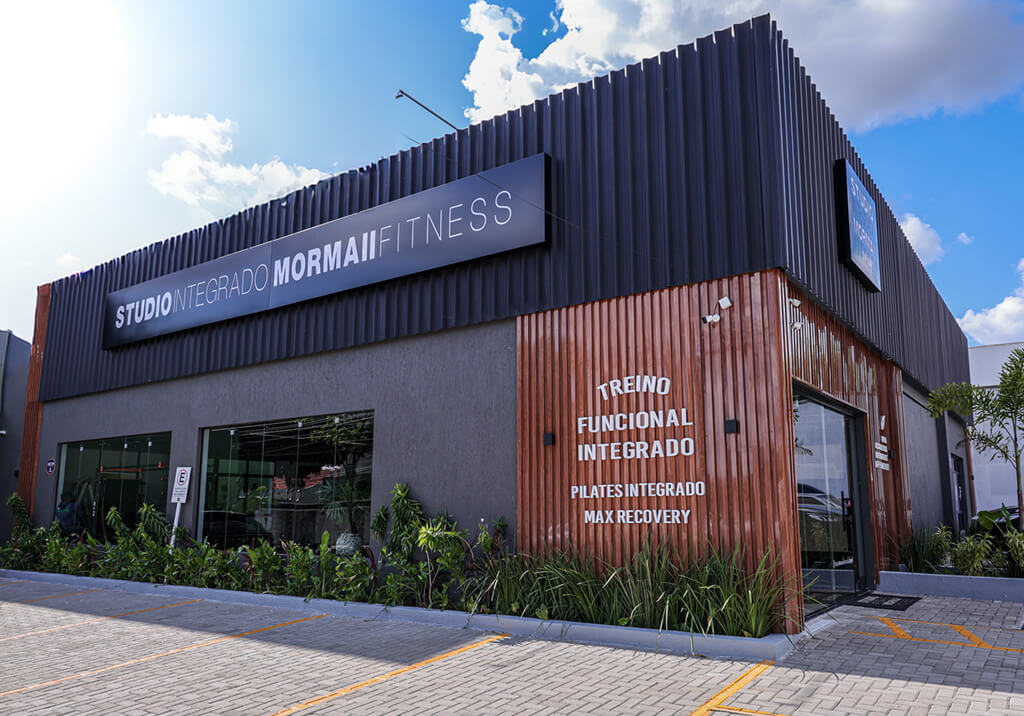
How the Mormaii Integrated Studios network gained agility and efficiency in management and strategic decision-making by investing in Business Intelligence
Frequently asked questions
What is Business Intelligence (BI) Applied to HR?
It is the use of data analysis tools and techniques to collect, organize, and interpret relevant HR information, transforming data into insights for strategic decision-making.
What Are the Main Benefits of BI for the Human Resources Area?
More accurate decision-making, process optimization, cost reduction, talent retention, improved engagement, and strengthened organizational culture.
How Can BI Improve Talent Recruitment and Selection?
By analyzing candidate data and identifying success patterns from previous hires, BI helps select the best profiles and optimize the process.
Is It Possible to Predict Employee Turnover with BI?
Yes, BI uses predictive analytics to identify patterns that indicate turnover risk, enabling the creation of strategies to retain talent.
What key performance indicators (KPIs) can be monitored by BI in HR?
Turnover rate, absenteeism, cost per hire, engagement, employee satisfaction, and average time to fill positions.
How does BI help in analyzing engagement and organizational climate?
By collecting data from satisfaction surveys, feedback, and performance indicators, BI identifies areas for improvement and helps align strategies with employee needs.
Can BI assist in training management and skills development?
Yes, it maps skill gaps, tracks employee development, and measures the impact of the training programs conducted.
Is the use of BI in HR secure and compliant with the LGPD?
Yes, as long as data is handled securely, respecting the privacy and transparency principles established by the LGPD. That’s why it’s important to rely on a specialized team with expertise in the area.
Can BI be integrated with other people management tools?
Yes, it can be integrated with management systems (ERP), recruitment platforms, and payroll software.
How Does BI Help in Developing More Effective Benefits Policies?
By analyzing data on employee usage and satisfaction with benefits, BI guides investments in policies that truly generate value.
How can BI contribute to strengthening organizational culture?
Monitoring engagement, aligning practices with organizational values, and promoting actions that reinforce the company’s identity.
Do BI tools replace human analysis in HR?
No, they complement human analysis by providing data for more informed and strategic decisions.
Does BI help in workforce strategic planning?
Yes, by forecasting demands, identifying gaps, and guiding efficient resource allocation.
Where to start implementing a BI project in HR?
Identify the main pain points of the department, define the most relevant KPIs, choose a suitable BI tool, and start with a pilot project for validation.
What is the cost of implementing BI in an HR department?
The investment varies according to the scope of the project and the specific needs of the company. We offer a personalized proposal after the initial analysis.
How can I get in touch to find out more about your consultancy services?
You can contact us via our contact form, email or Whatsapp available on the page. We are happy to discuss your needs and how we can help.